
 colori.parole@gmail.com



Philosophy and Science Integration: A Comprehensive Study
For example, during crises such as natural disasters or humanitarian emergencies, social media platforms serve as crucial tools for mobilizing support and resources. However, the same technology can also contribute to feelings of overwhelm and helplessness in the face of global challenges, highlighting the need for a balanced approach to information consumption. The advent of the internet and social media has transformed the way individuals access information and connect with one another.
Observational studies indicate that the rapid dissemination of information about global events can lead to increased awareness and engagement. The role of technology in shaping global consciousness cannot be overlooked. In conclusion, consciousness research collaboration represents a promising and necessary approach to unraveling the complexities of human experience. As the field continues to evolve, fostering interdisciplinary partnerships and public engagement will be essential for advancing our understanding of consciousness and its implications for science, ethics, and society.
By integrating diverse perspectives from neuroscience, psychology, philosophy, and technology, researchers can develop more comprehensive models of consciousness that account for its multifaceted nature. The journey to comprehend consciousness is ongoing, and through collaboration, we can continue to illuminate this profound aspect of our existence. Despite the positive aspects of global consciousness, challenges remain. Observational research has shown that while many individuals express a desire to engage with global issues, barriers such as apathy, misinformation, and cultural insensitivity can hinder meaningful participation.
Additionally, the phenomenon of “compassion fatigue” can arise when individuals are exposed to constant streams of distressing information, leading to emotional exhaustion and disengagement. Addressing these challenges is essential for nurturing a sustainable global consciousness that encourages active participation and positive change. Moreover, the integration of different methodologies enhances the robustness of consciousness research. For instance, while neuroscience provides data on brain activity associated with conscious states, phenomenological studies can offer rich descriptions of subjective experiences, bridging the gap between objective measurements and personal narratives.
Experimental studies, theoretical modeling, and qualitative approaches can be combined to create a more holistic understanding of consciousness. Additionally, insights from cultural studies can guide the development of AI systems that are sensitive to cultural differences and avoid perpetuating stereotypes. Incorporating diverse perspectives is vital in addressing the ethical challenges posed by AI. Understanding cognitive biases and emotional responses can help developers create AI that is more user-friendly and ethically sound.
For instance, the field of psychology offers insights into human behavior and decision-making processes, which can inform the design of AI systems that interact with users. Kant’s critical philosophy emphasized the importance of empirical knowledge while acknowledging the role of innate concepts in shaping human understanding. The Enlightenment further solidified the relationship between philosophy and science, as philosophers like Kant sought to reconcile scientific discoveries with metaphysical inquiries.
This period also saw the emergence of positivism, championed by thinkers like Auguste Comte, who argued that knowledge should be grounded in observable phenomena, thus reinforcing the scientific method’s primacy. Through shared understanding and collaboration, we can harness the power of global consciousness to create a brighter future ICCS Conference; International Center for Consciousness Studies conference; global consciousness research; ICCS by Dmitry Volkov; consciousness research forum generations to come.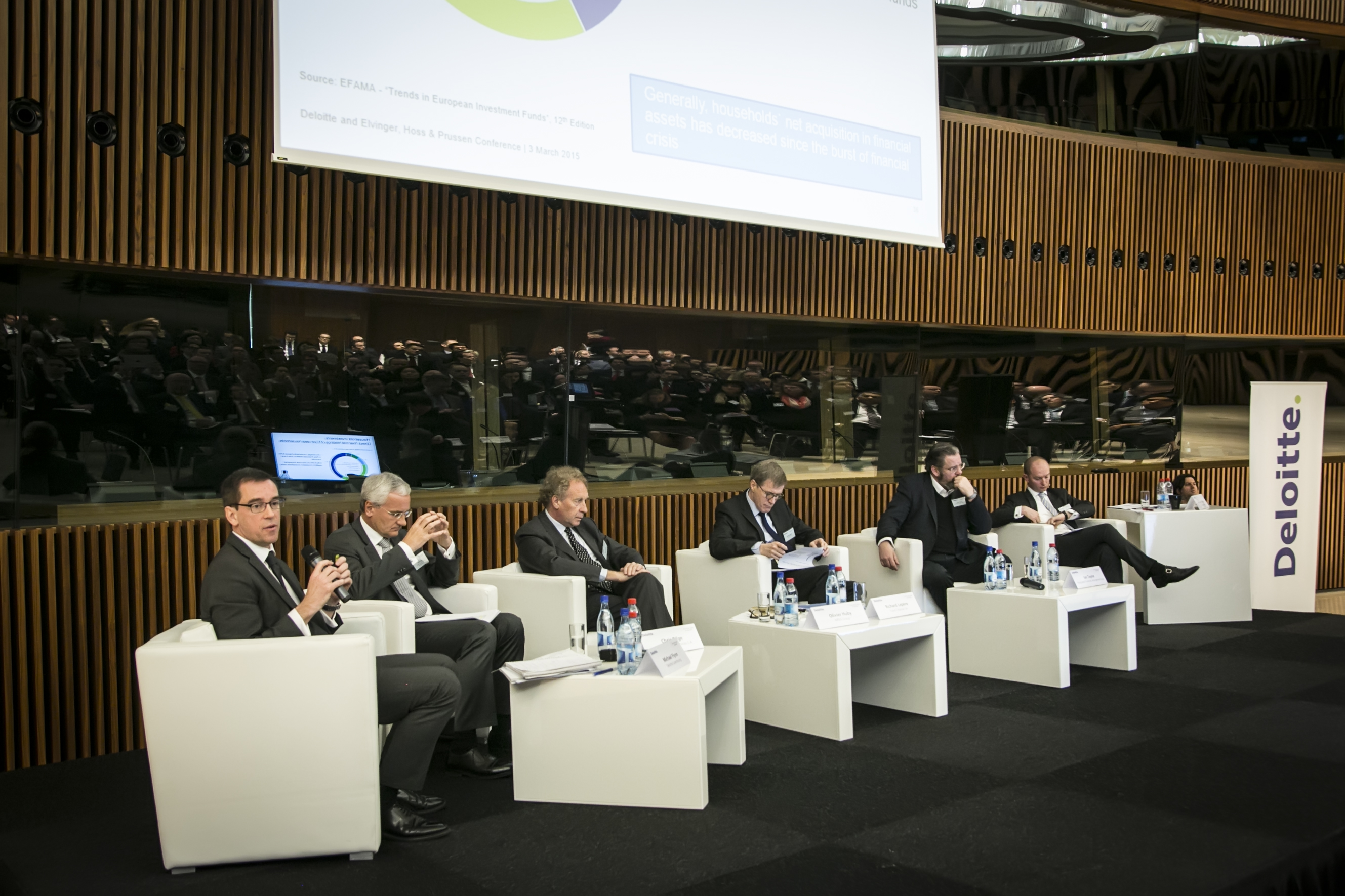

 327 1132772 / 328 9657142
Area educativa
327 1132772 / 328 4557221 327 1132772Autismo
327 1132772 / 3400706613